Kevin Warsh walks into a trap where the Fed can’t cut rates even if it wants to
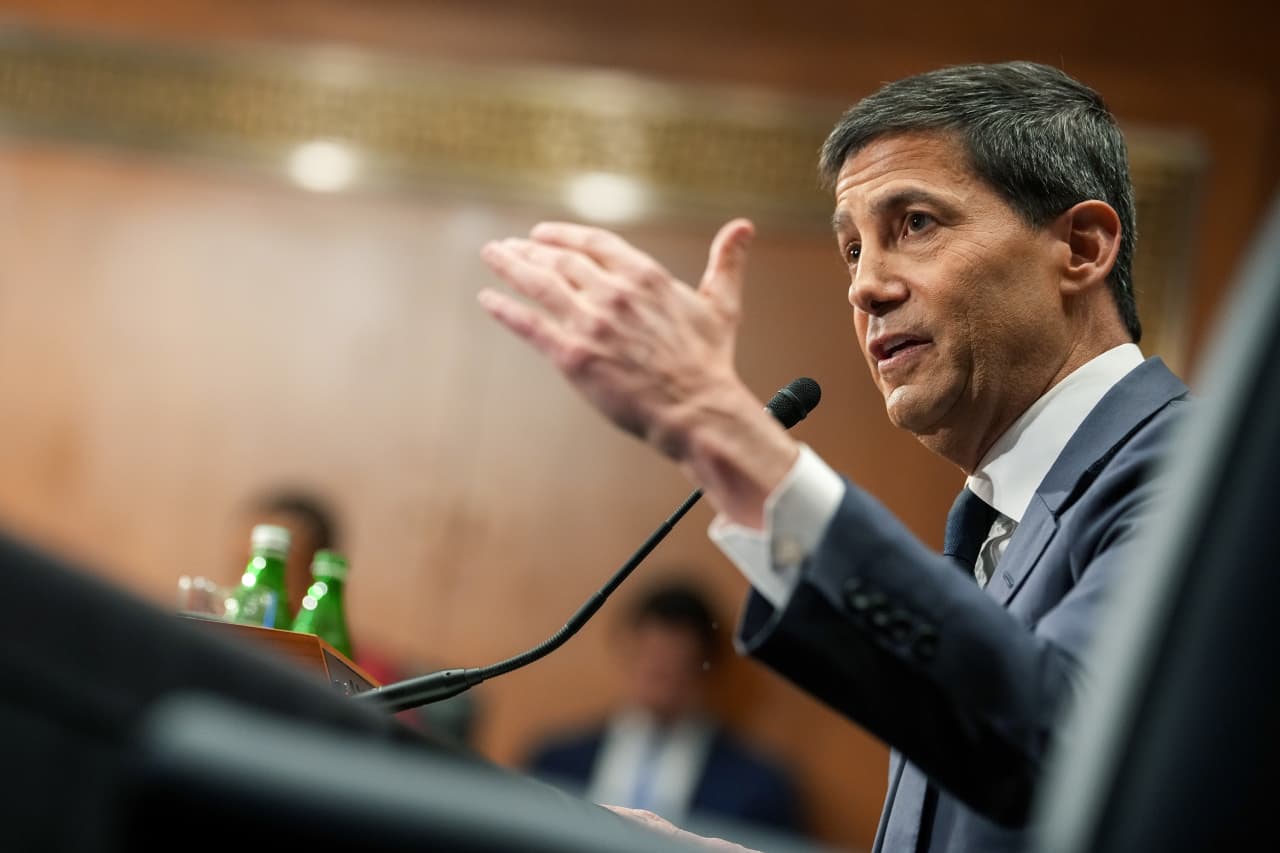
Kevin Warsh is becoming Federal Reserve chair at a pivotal moment for the U.S. economy — forcing him to be something other than the disruptor he hoped to be.
Editorial perspective
AI-assisted
The appointment of Kevin Warsh arrives at an inopportune juncture for monetary policy flexibility. Known for his hawkish views and criticism of the Fed's balance sheet expansion, Warsh now confronts an economy where structural pressures may constrain his ability to maneuver. Persistent inflation, elevated federal deficits, and ongoing concerns about dollar credibility create a policy straitjacket that limits conventional easing options regardless of economic deterioration.
This matters because markets have grown accustomed to the Fed put — the expectation that monetary authorities will support asset prices during stress. If structural constraints genuinely prevent rate cuts during weakness, risk premiums across credit markets and equities may need to reprice higher. Corporate treasurers should model scenarios where traditional Fed support proves unavailable. The shift from disruption to constraint also signals a broader reality: central banking has entered an era where theoretical preferences increasingly clash with practical limitations imposed by accumulated debt and inflation psychology.
Originally reported by Felix Vezina-Poirier
for MarketWatch
Processing your unsubscribe…
Hang on a moment.
You've been unsubscribed.
You won't receive any more marketing messages from Test. Updates take effect within 24 hours.
That link has expired.
The unsubscribe link is no longer valid. You can opt out manually instead.
Editorial perspective
AI-assistedThe appointment of Kevin Warsh arrives at an inopportune juncture for monetary policy flexibility. Known for his hawkish views and criticism of the Fed's balance sheet expansion, Warsh now confronts an economy where structural pressures may constrain his ability to maneuver. Persistent inflation, elevated federal deficits, and ongoing concerns about dollar credibility create a policy straitjacket that limits conventional easing options regardless of economic deterioration.
This matters because markets have grown accustomed to the Fed put — the expectation that monetary authorities will support asset prices during stress. If structural constraints genuinely prevent rate cuts during weakness, risk premiums across credit markets and equities may need to reprice higher. Corporate treasurers should model scenarios where traditional Fed support proves unavailable. The shift from disruption to constraint also signals a broader reality: central banking has entered an era where theoretical preferences increasingly clash with practical limitations imposed by accumulated debt and inflation psychology.