This 2008 ‘train wreck’ oil scenario could unfold if Hormuz isn’t opened by end of August
There’s a new warning from the commodity market about the risks of a delayed reopening of the Strait of Hormuz.
Editorial perspective
AI-assisted
A prolonged closure of the Strait of Hormuz beyond August would create severe disruptions to global oil markets, potentially rivaling the 2008 price shock that saw crude briefly touch $147 per barrel. The strait handles roughly 21 million barrels daily—about a fifth of global petroleum consumption—and any extended blockage would rapidly deplete strategic reserves while forcing Asian economies to seek costlier alternative routes around Africa. Unlike 2008's demand-driven spike, a supply disruption of this magnitude would hit markets already adjusting to OPEC production cuts and geopolitical tensions. The timing matters critically: refiners typically build inventories ahead of peak driving season, and an August deadline leaves minimal cushion for restocking before winter heating demand begins. For equity markets, sustained triple-digit oil prices would squeeze corporate margins, reignite inflation concerns, and potentially force central banks to choose between fighting price pressures and supporting economic growth—an uncomfortable dilemma that characterized the last major energy crisis.
Originally reported by Joy Wiltermuth
for MarketWatch
Processing your unsubscribe…
Hang on a moment.
You've been unsubscribed.
You won't receive any more marketing messages from Test. Updates take effect within 24 hours.
That link has expired.
The unsubscribe link is no longer valid. You can opt out manually instead.
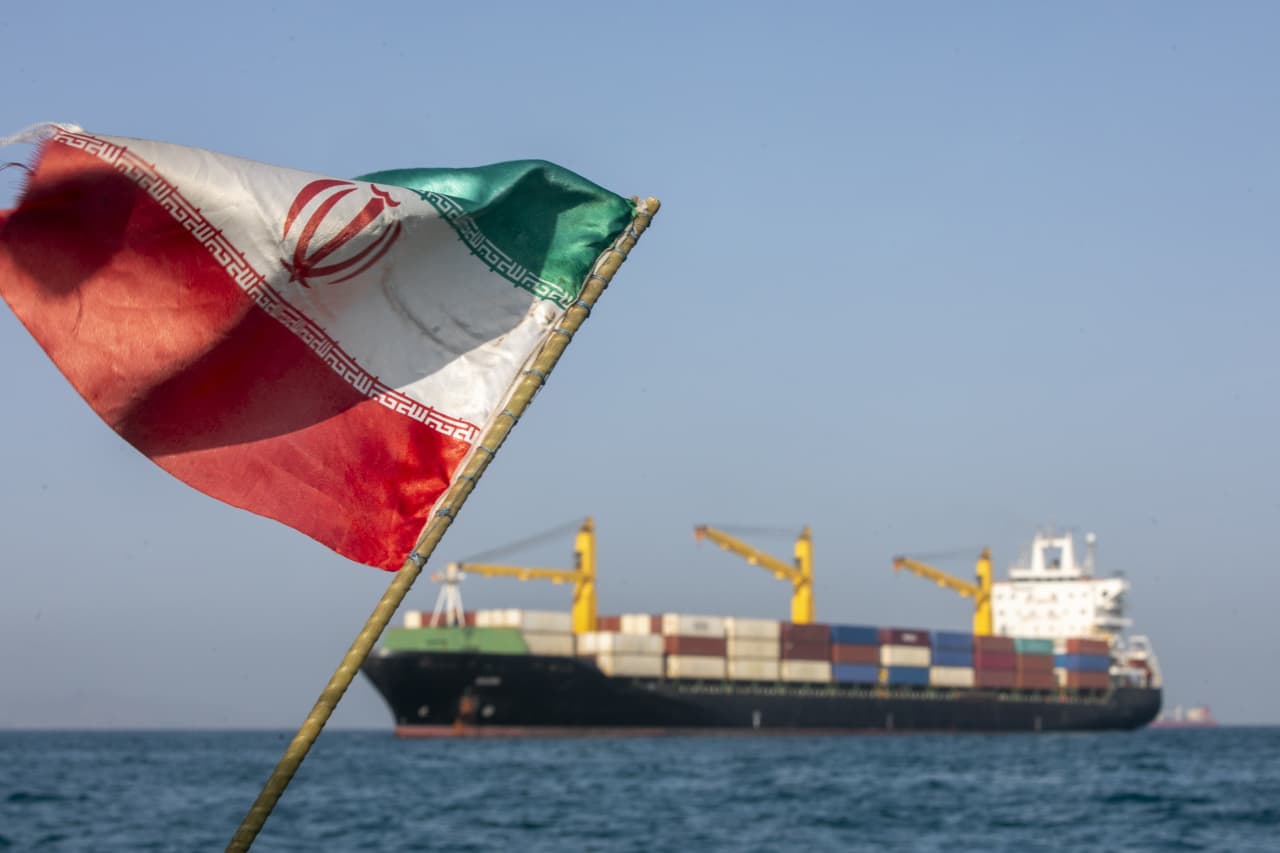
Editorial perspective
AI-assistedA prolonged closure of the Strait of Hormuz beyond August would create severe disruptions to global oil markets, potentially rivaling the 2008 price shock that saw crude briefly touch $147 per barrel. The strait handles roughly 21 million barrels daily—about a fifth of global petroleum consumption—and any extended blockage would rapidly deplete strategic reserves while forcing Asian economies to seek costlier alternative routes around Africa. Unlike 2008's demand-driven spike, a supply disruption of this magnitude would hit markets already adjusting to OPEC production cuts and geopolitical tensions. The timing matters critically: refiners typically build inventories ahead of peak driving season, and an August deadline leaves minimal cushion for restocking before winter heating demand begins. For equity markets, sustained triple-digit oil prices would squeeze corporate margins, reignite inflation concerns, and potentially force central banks to choose between fighting price pressures and supporting economic growth—an uncomfortable dilemma that characterized the last major energy crisis.