SEC Commissioner Peirce counters views that crypto rule will foster synthetic tokens
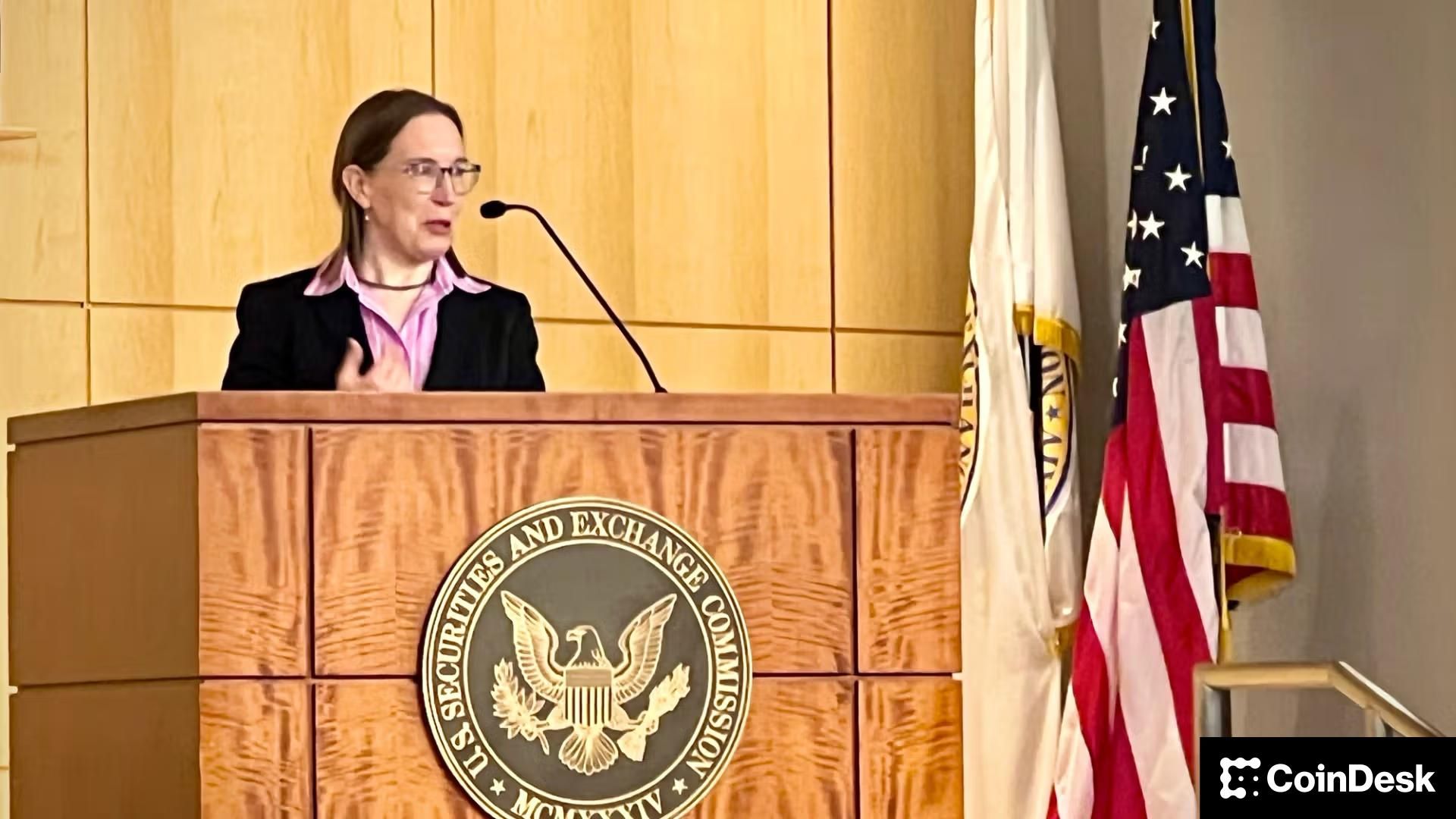
Hester Peirce, the commissioner behind the SEC's Crypto Task Force, made statements on the now-delayed proposal, perhaps tamping down mistaken beliefs.
Editorial perspective
AI-assisted
Commissioner Hester Peirce's intervention addresses mounting confusion over regulatory intentions as the SEC navigates cryptocurrency oversight. Her clarification matters because market participants have been positioning portfolios based on assumptions about how forthcoming rules might treat synthetic tokens—derivatives that mirror crypto assets without holding the underlying coins. Such misconceptions can drive capital misallocation and create compliance risks for financial institutions exploring digital asset exposure.
The delayed proposal itself signals internal SEC debate about balancing innovation against investor protection, a tension that affects everything from exchange-traded product approvals to banking relationships with crypto firms. Peirce, long regarded as the agency's most crypto-friendly voice, appears concerned that misinterpretation could entrench regulatory approaches that neither the Commission intends nor the market needs. For treasury departments and asset managers evaluating crypto strategies, her comments suggest waiting for final rule language before making structural decisions. The regulatory landscape remains genuinely uncertain rather than merely delayed.
Originally reported by Jesse Hamilton
for CoinDesk
Processing your unsubscribe…
Hang on a moment.
You've been unsubscribed.
You won't receive any more marketing messages from Test. Updates take effect within 24 hours.
That link has expired.
The unsubscribe link is no longer valid. You can opt out manually instead.
Editorial perspective
AI-assistedCommissioner Hester Peirce's intervention addresses mounting confusion over regulatory intentions as the SEC navigates cryptocurrency oversight. Her clarification matters because market participants have been positioning portfolios based on assumptions about how forthcoming rules might treat synthetic tokens—derivatives that mirror crypto assets without holding the underlying coins. Such misconceptions can drive capital misallocation and create compliance risks for financial institutions exploring digital asset exposure.
The delayed proposal itself signals internal SEC debate about balancing innovation against investor protection, a tension that affects everything from exchange-traded product approvals to banking relationships with crypto firms. Peirce, long regarded as the agency's most crypto-friendly voice, appears concerned that misinterpretation could entrench regulatory approaches that neither the Commission intends nor the market needs. For treasury departments and asset managers evaluating crypto strategies, her comments suggest waiting for final rule language before making structural decisions. The regulatory landscape remains genuinely uncertain rather than merely delayed.