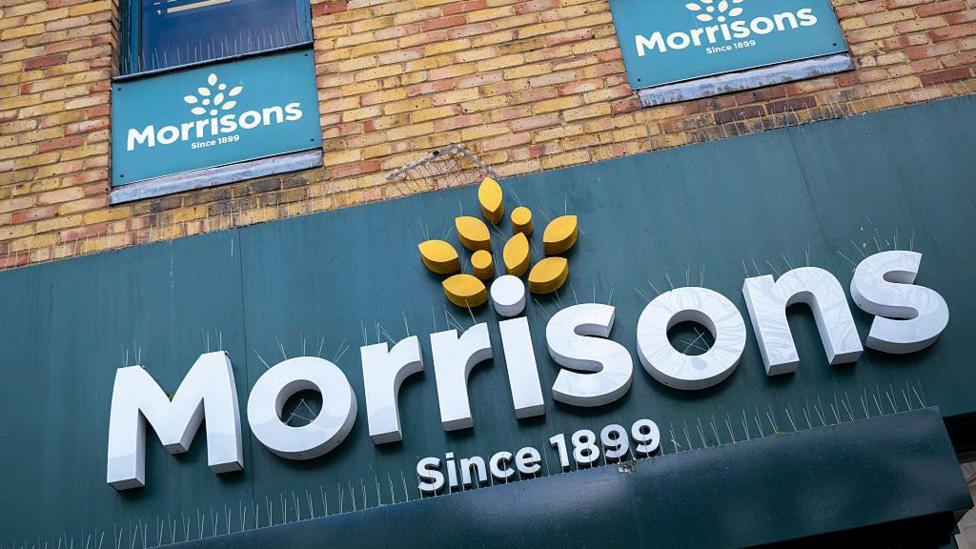
Morrisons planning to close 100 stores in next few months
It said difficulties had been exacerbated by "significant cost increases resulting from government policy choices".
Editorial perspective
AI-assisted
Britain's fourth-largest supermarket chain faces a dramatic restructuring as it confronts mounting pressure from rising operational costs tied to recent government policy changes. The closure of 100 stores represents a substantial contraction for Morrisons, which operates approximately 500 locations nationwide, suggesting the company will shed roughly one-fifth of its physical footprint.
This move reflects broader challenges facing UK retailers following increased employer National Insurance contributions and elevated minimum wage requirements introduced in the latest budget. These policy shifts have materially impacted labor-intensive sectors, with grocers particularly vulnerable given their thin profit margins and large workforces.
The closures signal potential market share redistribution among competitors like Tesco, Sainsbury's, and discount chains Aldi and Liddy. Investors should monitor whether this represents proactive rationalization of underperforming assets or a distress signal indicating deeper structural problems. The decision also raises questions about commercial real estate valuations in affected markets and the sustainability of traditional supermarket formats amid changing cost structures.
Editorial perspective
AI-assistedBritain's fourth-largest supermarket chain faces a dramatic restructuring as it confronts mounting pressure from rising operational costs tied to recent government policy changes. The closure of 100 stores represents a substantial contraction for Morrisons, which operates approximately 500 locations nationwide, suggesting the company will shed roughly one-fifth of its physical footprint.
This move reflects broader challenges facing UK retailers following increased employer National Insurance contributions and elevated minimum wage requirements introduced in the latest budget. These policy shifts have materially impacted labor-intensive sectors, with grocers particularly vulnerable given their thin profit margins and large workforces.
The closures signal potential market share redistribution among competitors like Tesco, Sainsbury's, and discount chains Aldi and Liddy. Investors should monitor whether this represents proactive rationalization of underperforming assets or a distress signal indicating deeper structural problems. The decision also raises questions about commercial real estate valuations in affected markets and the sustainability of traditional supermarket formats amid changing cost structures.