F2Pool founder who controls 11% of bitcoin's hashrate to lead first SpaceX mission to Mars
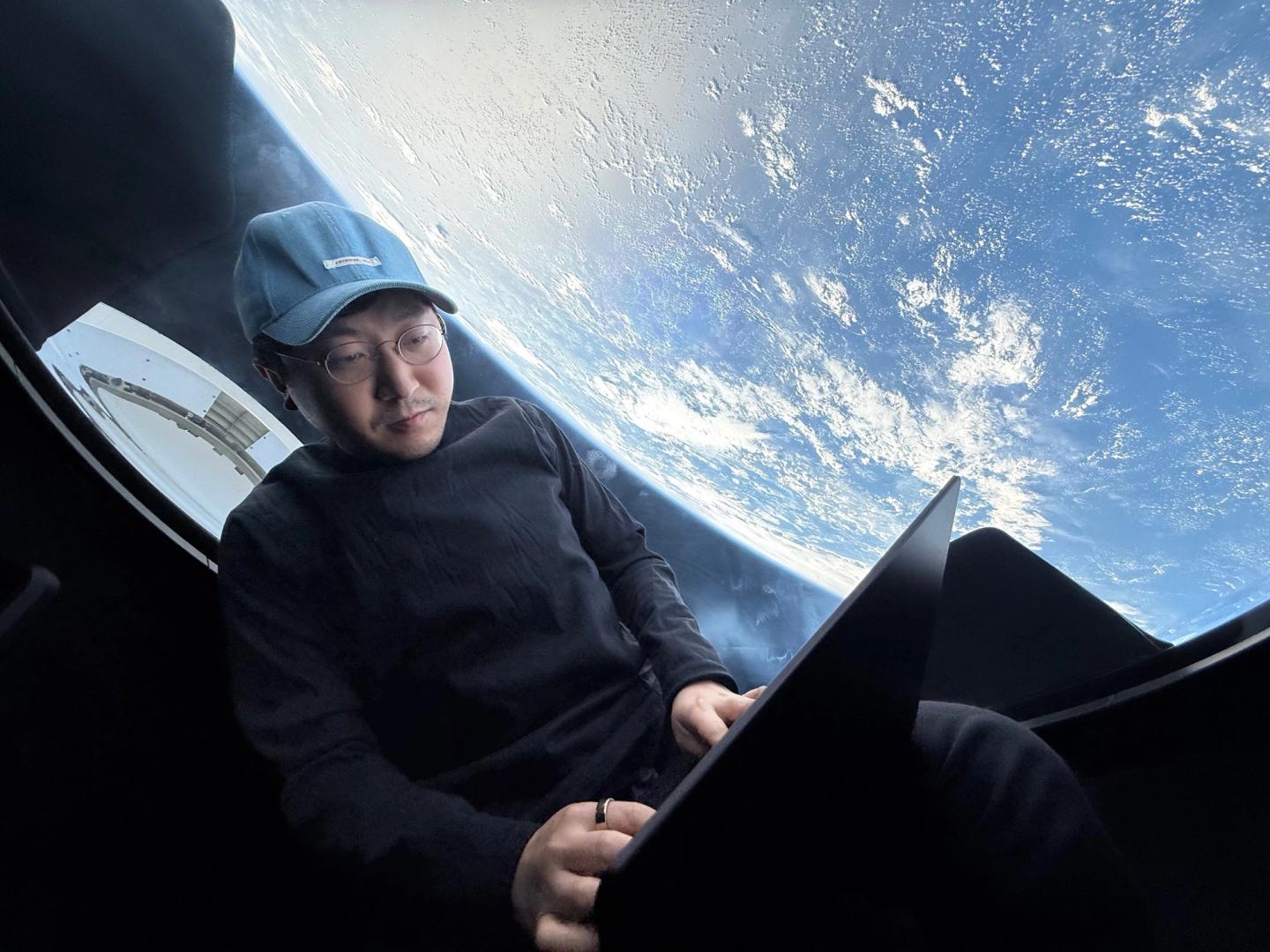
Chun Wang, the first Mission Commander for SpaceX’s first commercial spaceflight to Mars, is crucial for the future transport of millions of tons of cargo and a million citizens to the Red Planet.
Editorial perspective
AI-assisted
Chun Wang's appointment as mission commander for SpaceX's inaugural Mars flight represents a striking convergence of cryptocurrency infrastructure and space exploration ambition. His control of F2Pool, which processes roughly one-ninth of all bitcoin transactions globally, underscores how deeply crypto wealth has penetrated frontier technology ventures. The mining operation generates substantial cash flows that can fund speculative endeavors traditional finance might dismiss as premature.
This development signals two broader trends: first, cryptocurrency executives are deploying capital into moonshot projects with multi-decade horizons, and second, private spaceflight is moving from suborbital tourism to interplanetary colonization faster than many anticipated. While SpaceX's timeline for transporting a million people to Mars remains aspirational, Wang's involvement demonstrates that crypto's nouveaux riches view themselves as civilization-scale infrastructure builders rather than mere financial speculators. The mission's success or failure will influence both sectors' credibility with institutional investors.
Editorial perspective
AI-assistedChun Wang's appointment as mission commander for SpaceX's inaugural Mars flight represents a striking convergence of cryptocurrency infrastructure and space exploration ambition. His control of F2Pool, which processes roughly one-ninth of all bitcoin transactions globally, underscores how deeply crypto wealth has penetrated frontier technology ventures. The mining operation generates substantial cash flows that can fund speculative endeavors traditional finance might dismiss as premature.
This development signals two broader trends: first, cryptocurrency executives are deploying capital into moonshot projects with multi-decade horizons, and second, private spaceflight is moving from suborbital tourism to interplanetary colonization faster than many anticipated. While SpaceX's timeline for transporting a million people to Mars remains aspirational, Wang's involvement demonstrates that crypto's nouveaux riches view themselves as civilization-scale infrastructure builders rather than mere financial speculators. The mission's success or failure will influence both sectors' credibility with institutional investors.