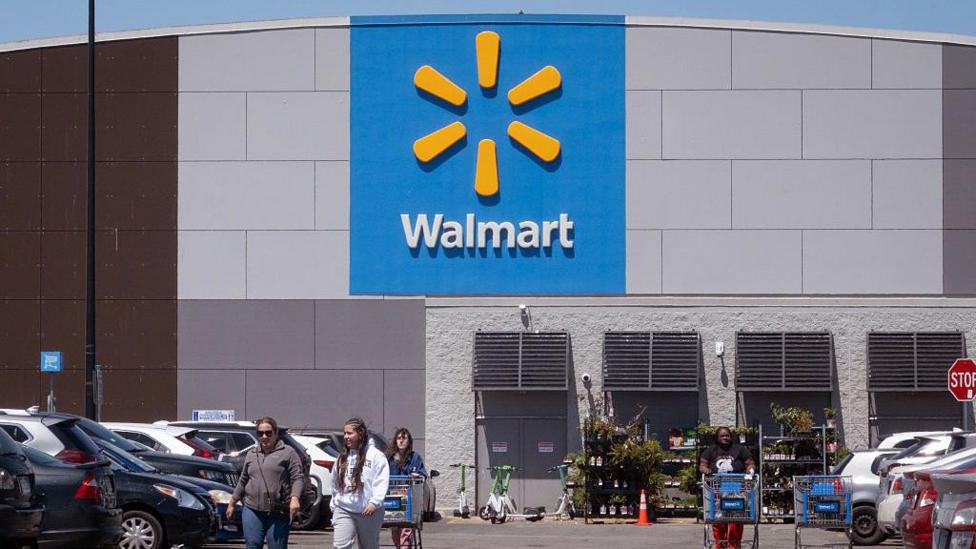
Walmart warns US shoppers are cutting spending as higher petrol prices bite
The retail giant said it expects customers to cut back in the coming months due to higher pump prices.
Editorial perspective
AI-assisted
Walmart's warning signals a potential inflection point for consumer spending, the primary engine of US economic growth. When the world's largest retailer observes changing behavior at checkout, it merits attention from investors and policymakers alike. Higher gasoline prices function as a regressive tax, disproportionately affecting lower and middle-income households who represent Walmart's core customer base. These consumers face a stark trade-off: fuel for commuting versus discretionary purchases.
The timing compounds concerns about economic resilience. With inflation still elevated and interest rates restrictive, reduced consumer spending could cascade through corporate earnings expectations, particularly in retail and consumer discretionary sectors. Equity markets may reprice growth assumptions accordingly. For the Federal Reserve, this presents a delicate balance—energy-driven inflation pressuring households while potentially creating the demand destruction that helps cool the broader economy. Walmart's front-line visibility into shopping patterns makes this cautionary note particularly credible for forecasting near-term consumption trends.
Editorial perspective
AI-assistedWalmart's warning signals a potential inflection point for consumer spending, the primary engine of US economic growth. When the world's largest retailer observes changing behavior at checkout, it merits attention from investors and policymakers alike. Higher gasoline prices function as a regressive tax, disproportionately affecting lower and middle-income households who represent Walmart's core customer base. These consumers face a stark trade-off: fuel for commuting versus discretionary purchases.
The timing compounds concerns about economic resilience. With inflation still elevated and interest rates restrictive, reduced consumer spending could cascade through corporate earnings expectations, particularly in retail and consumer discretionary sectors. Equity markets may reprice growth assumptions accordingly. For the Federal Reserve, this presents a delicate balance—energy-driven inflation pressuring households while potentially creating the demand destruction that helps cool the broader economy. Walmart's front-line visibility into shopping patterns makes this cautionary note particularly credible for forecasting near-term consumption trends.