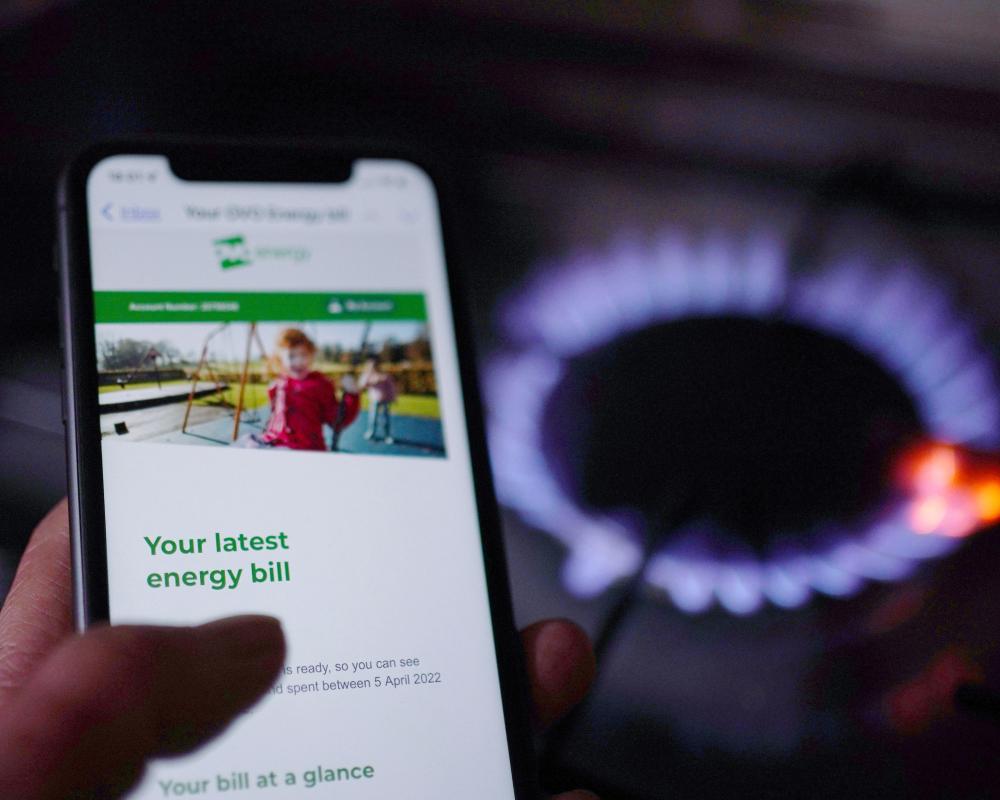
Energy bills will rise by £209 a year to £1,850 from July, forecaster says
Cornwall Insight predicts rise in price cap of nearly 13% in Great Britain as Iran war pushes up gas costs
Editorial perspective
AI-assisted
Britain's household energy costs are set to climb significantly as geopolitical tensions disrupt global gas markets. The projected 13% increase to £1,850 annually represents a meaningful hit to consumer purchasing power, with direct implications for retail spending and broader economic growth. Higher energy bills typically compress discretionary income, particularly for middle and lower-income households, potentially dampening consumption in the second half of the year.
The timing is particularly challenging for the Bank of England, which must balance persistent inflationary pressures against signs of economic weakness. Energy price volatility complicates monetary policy decisions and could delay any rate cuts if inflation proves stickier than anticipated. For equity investors, utilities and energy producers may see improved margins, while consumer discretionary sectors face headwinds. The situation underscores how commodity market disruptions can rapidly translate into real economic consequences for developed economies, despite efforts to diversify energy sources.
Originally reported by Jillian Ambrose Energy correspondent
for The Guardian
Processing your unsubscribe…
Hang on a moment.
You've been unsubscribed.
You won't receive any more marketing messages from Test. Updates take effect within 24 hours.
That link has expired.
The unsubscribe link is no longer valid. You can opt out manually instead.
Editorial perspective
AI-assistedBritain's household energy costs are set to climb significantly as geopolitical tensions disrupt global gas markets. The projected 13% increase to £1,850 annually represents a meaningful hit to consumer purchasing power, with direct implications for retail spending and broader economic growth. Higher energy bills typically compress discretionary income, particularly for middle and lower-income households, potentially dampening consumption in the second half of the year.
The timing is particularly challenging for the Bank of England, which must balance persistent inflationary pressures against signs of economic weakness. Energy price volatility complicates monetary policy decisions and could delay any rate cuts if inflation proves stickier than anticipated. For equity investors, utilities and energy producers may see improved margins, while consumer discretionary sectors face headwinds. The situation underscores how commodity market disruptions can rapidly translate into real economic consequences for developed economies, despite efforts to diversify energy sources.