Passenger detained and banned from Qantas after allegedly biting attendant on flight from Australia to US
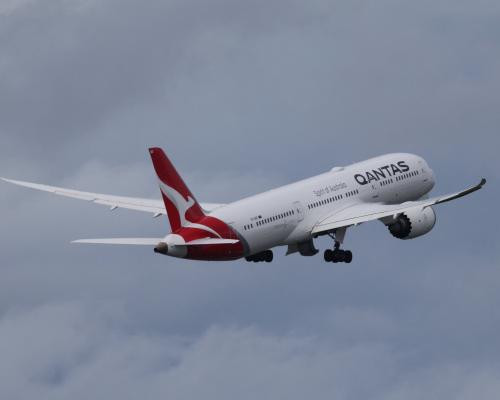
Flight from Melbourne to Dallas forced to land in Tahiti due to man’s alleged disruptive behaviour
Editorial perspective
AI-assisted
A mid-flight diversion to Tahiti following an alleged assault on cabin crew underscores operational vulnerabilities airlines face in managing unruly passengers—challenges that carry significant cost implications. Qantas, already navigating post-pandemic recovery pressures and scrutinizing its service reputation following consumer complaints and regulatory scrutiny, now confronts reputational and operational costs from this incident. Unscheduled diversions typically cost carriers tens of thousands of dollars in fuel, airport fees, crew scheduling disruptions, and passenger compensation. For investors, such incidents highlight the broader trend of increasing air rage cases globally, which pressure airlines to enhance security protocols and potentially increase insurance premiums. The aviation sector's return to profitability remains fragile; operational disruptions from passenger behavior, while individually minor, accumulate into material cost centers that compress margins. Qantas's enforcement of lifetime bans signals airlines taking harder stances, though implementation and enforcement across industry partners remains inconsistent.
Originally reported by Caitlin Cassidy
for The Guardian
Processing your unsubscribe…
Hang on a moment.
You've been unsubscribed.
You won't receive any more marketing messages from Test. Updates take effect within 24 hours.
That link has expired.
The unsubscribe link is no longer valid. You can opt out manually instead.
Editorial perspective
AI-assistedA mid-flight diversion to Tahiti following an alleged assault on cabin crew underscores operational vulnerabilities airlines face in managing unruly passengers—challenges that carry significant cost implications. Qantas, already navigating post-pandemic recovery pressures and scrutinizing its service reputation following consumer complaints and regulatory scrutiny, now confronts reputational and operational costs from this incident. Unscheduled diversions typically cost carriers tens of thousands of dollars in fuel, airport fees, crew scheduling disruptions, and passenger compensation. For investors, such incidents highlight the broader trend of increasing air rage cases globally, which pressure airlines to enhance security protocols and potentially increase insurance premiums. The aviation sector's return to profitability remains fragile; operational disruptions from passenger behavior, while individually minor, accumulate into material cost centers that compress margins. Qantas's enforcement of lifetime bans signals airlines taking harder stances, though implementation and enforcement across industry partners remains inconsistent.